
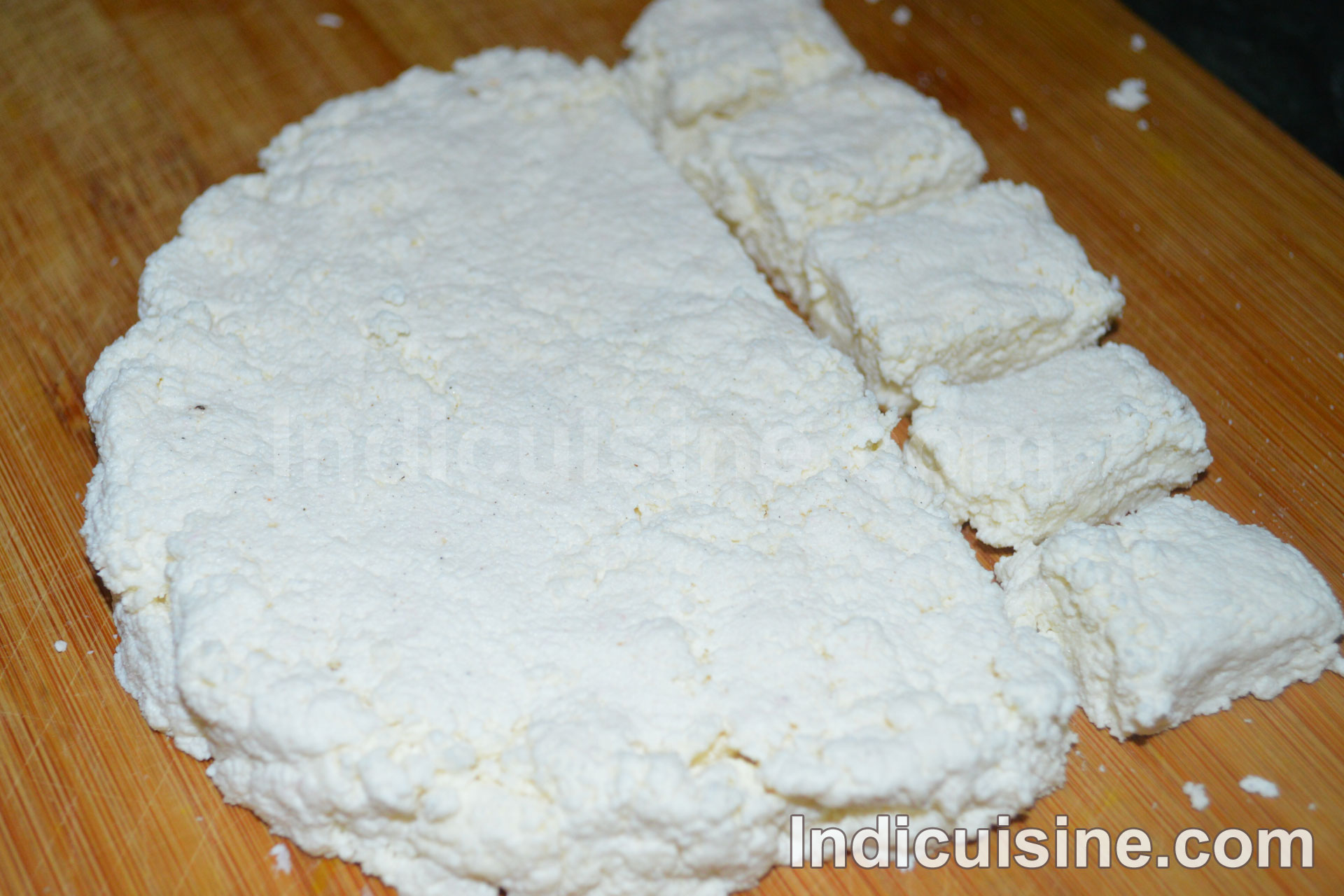
Homemade Paneer | Fresh Indian Cheese
A simple guide to making fresh, firm paneer at home from milk and a common acid.
Learn how to make fresh, firm paneer at home using just milk and a common acid like lemon juice or vinegar. This versatile Indian cheese is perfect for curries and snacks.

Making fresh paneer at home is a straightforward process that yields a soft, firm cheese, perfect for many dishes. It's a staple in Indian cooking, known for its mild flavor and ability to absorb spices.
This recipe shows you how to turn milk into a versatile ingredient that can be fried, grilled, or added to curries and snacks.
🧂 Ingredients
- 1 liter (about 4 cups) full-fat milk
- 2-3 tablespoons lemon juice or white vinegar (or more, as needed)
📝 Ingredient Notes
Using full-fat milk is key for a good yield and creamy texture. Skim milk will produce very little paneer. You can use any acid like citric acid dissolved in water, yogurt, or buttermilk, but lemon juice and vinegar are common and effective.
👩🍳 Instructions
- Pour the milk into a heavy-bottomed pot and place it over medium-high heat. Bring the milk to a rolling boil, stirring occasionally to prevent scorching at the bottom.
- Once the milk is boiling, reduce the heat to low. Slowly add the lemon juice or vinegar, one tablespoon at a time, stirring gently after each addition.
- Continue to stir gently until the milk clearly separates into greenish-yellow whey and solid white curds. This usually takes a minute or two after adding the acid. If it doesn’t separate completely, add another half tablespoon of acid and stir.
- Once separated, turn off the heat. Line a colander with a clean cheesecloth or muslin cloth, making sure the cloth hangs over the edges. Place the colander in a sink or over a large bowl to catch the whey.
- Carefully pour the curdled milk into the cheesecloth-lined colander. The whey will drain through, leaving the curds in the cloth.
- Gather the edges of the cheesecloth and gently rinse the curds under cold running water for about a minute. This washes away any lingering taste of the acid and helps cool the paneer.
- Squeeze out as much excess water as you can from the cheesecloth-wrapped curds. Be firm but gentle.
- To press the paneer, flatten the curds into a disc or square shape while still in the cheesecloth. Place it on a flat surface, like a cutting board.
- Place another flat plate or cutting board on top of the paneer, and then place a heavy weight (like a few cans of food or a heavy pot) on top.
- Let the paneer press for at least 1-2 hours, or up to 3-4 hours for a firmer block. The longer it presses, the firmer it will be.
- Once pressed, unwrap the paneer. It’s now ready to be cut into cubes or desired shapes and used in your recipes.
💡 Cooking Tips
- Use a heavy-bottomed pot to prevent the milk from scorching.
- Don’t over-boil the milk after adding the acid; once curds separate, turn off the heat.
- Rinsing the curds thoroughly helps remove any sour taste from the acid.
- Adjust pressing time based on how firm you want your paneer. Less time for softer paneer, more for firmer.
🛠️ Common Mistakes & Fixes
- **Milk not curdling:** Ensure the milk is at a rolling boil before adding the acid, and add enough acid. Sometimes milk needs a bit more acid than expected.
- **Paneer is too crumbly:** This can happen if it’s pressed for too long or with too much weight, or if the curds weren’t properly gathered before pressing. Try pressing for less time next time.
- **Paneer is too hard/rubbery:** Usually a sign of over-pressing. Reduce the pressing time or weight.
- **Paneer tastes sour:** The curds weren’t rinsed enough after draining the whey. Rinse more thoroughly next time.
⭐ Chef’s Tips
- For a slightly different flavor, you can use buttermilk or yogurt as the curdling agent, though they might require more quantity.
- Before pressing, you can mix in finely chopped herbs like cilantro or mint, or a pinch of salt, into the curds for flavored paneer.
- Save the whey! It’s nutritious and can be used in baking, making dough, or as a base for soups.
🍳 Equipment & Tools
Heavy-bottomed pot, large spoon, colander, cheesecloth or muslin cloth, flat plate or cutting board, heavy weight (e.g., cans, heavy pot).
🍽️ Pairing Suggestions
Use in Palak Paneer, Matar Paneer, Paneer Butter Masala, Paneer Tikka, or crumbled into salads and wraps.
⚠️ Allergen Info
Contains dairy.